WELCOME TO MY BLOG!
Be yourself; Everyone else is already taken.
— Oscar Wilde.
This is the first post on my new blog. I’m just getting this new blog going, so stay tuned for more. Subscribe below to get notified when I post new updates.


“Art enables us to find ourselves and lose ourselves at the same time.” by Thomas Merton
Be yourself; Everyone else is already taken.
— Oscar Wilde.
This is the first post on my new blog. I’m just getting this new blog going, so stay tuned for more. Subscribe below to get notified when I post new updates.
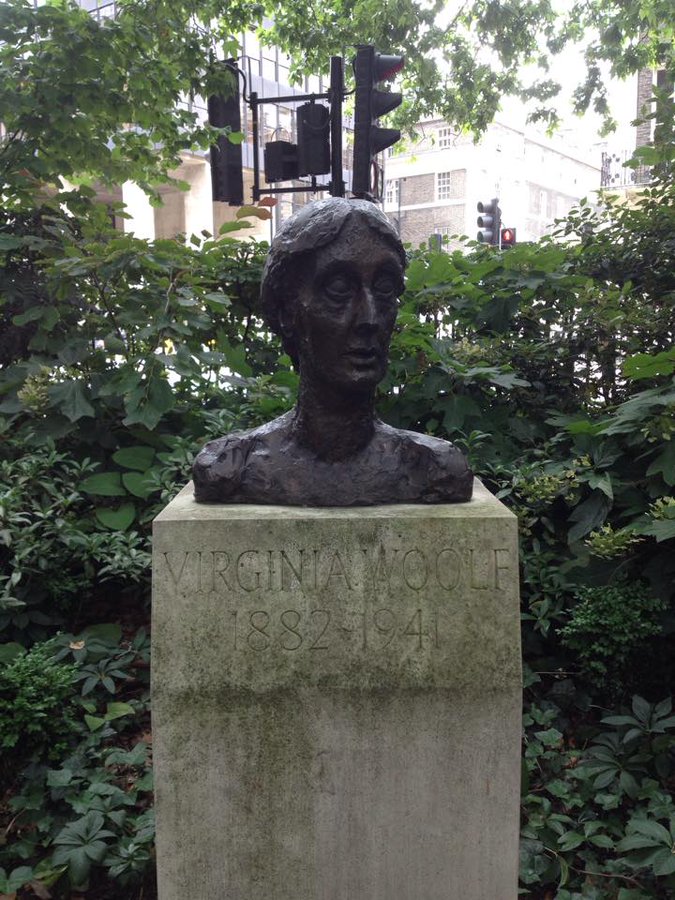
1. Virginia Woolf, Tavistock Square, London
When talking about English literature classics, Virginia Woolf’s name is sure to be brought up. Born in South Kensington, she lived a tumultuous life battling depression, which eventually ended in her committing suicide in 1941. Her work has had a lasting impact on feminism and among her best works – written in a house off Tavistock Square – are Orlando and The Waves, Mrs Dalloway and To The Lighthouse.
2. Shaftesbury Memorial Fountain (Eros), London
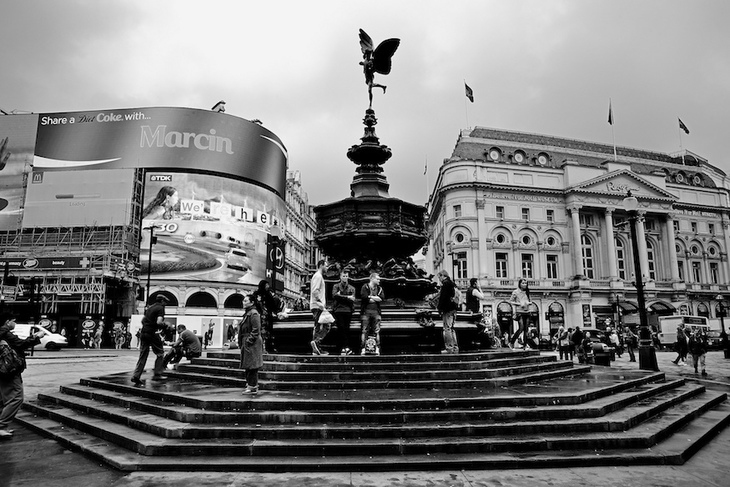
This famous statue – coming up to it’s 125th anniversary – rests upon the Shaftesbury Memorial Fountain in Piccadilly Circus, and although is known as Eros, in fact was designed after his brother Anteros. It was first unveiled in 1892-3 in honour of philanthropist Lord Shaftesbury, who fought for child labour and education reforms in the 18th century.
3. Titanic Memorial, Belfast
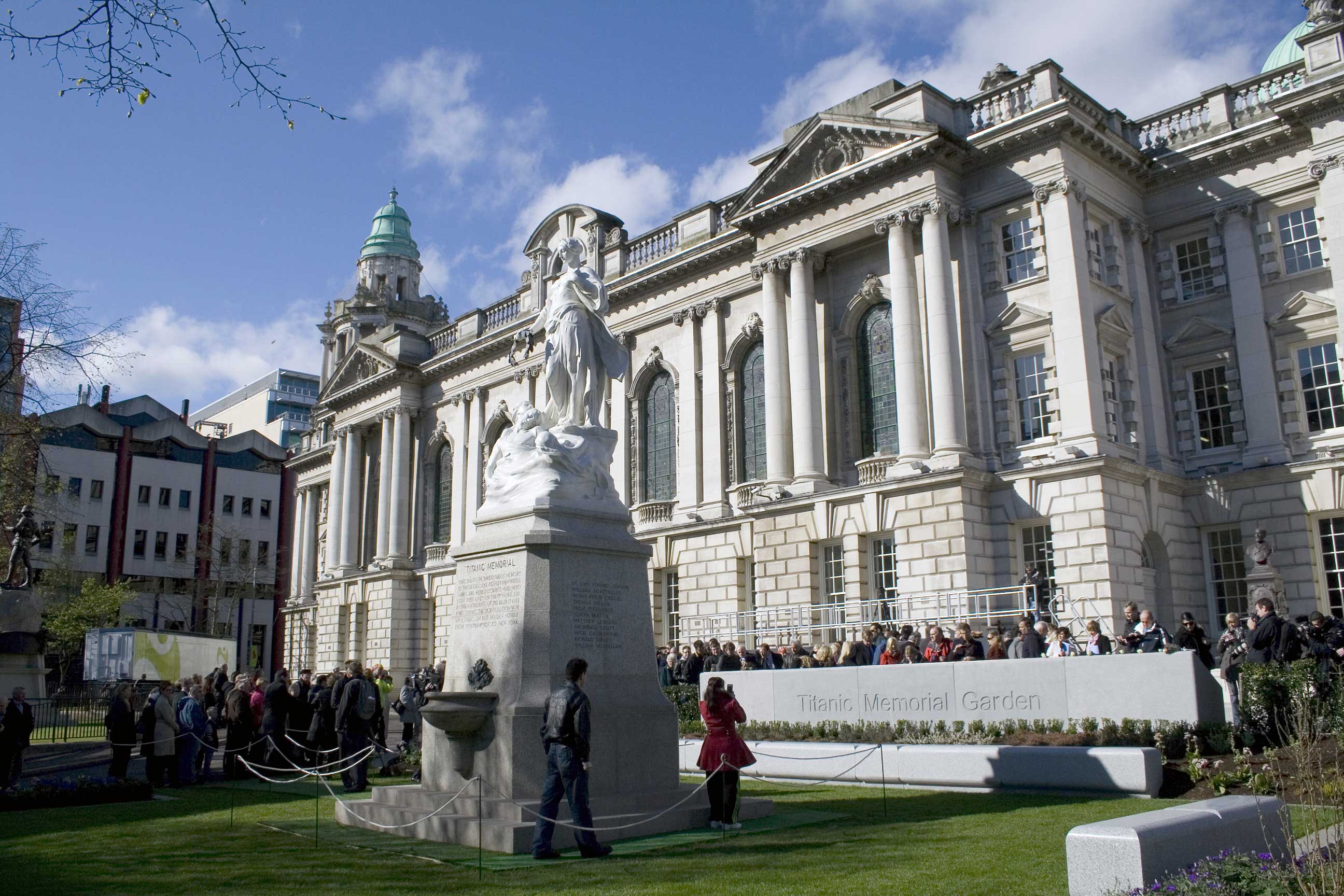
This memorial is in central Belfast and was erected to commemorate those who lost their lives due to the sinking of RMS Titanic. It was made possible by donations from the public, the victim’s families and shipyard workers, and went on display in 1920. The statue comprises Thanatos, the greek God of death and two mermaids carrying a dead seaman.
4. Robin Hood, Nottingham

Outside Nottingham Castle’s walls you’ll find a statue of Robin Hood, built in 1952 and unveiled by the Duchess of Portland. Millions of people visit the statue every year, which is based on the old English tale of heroic outlaw Hood who lived in Sherwood Forest.
An idiom is an expression or saying that means something other than its literal translation, and the British English language has hundreds, possibly thousands to get your head around. Learning British idioms will not only improve your creative writing skills, but also increase your everyday conversational skills.
This idiom doesn’t literally refer to y-fronts, but instead to your personal life. British people have a reputation for being quite prudish and secretive when it comes to their personal relationships, and so in past times it was considered uncouth to talk about or expose one’s personal life outside the confines of your home. An example of washing your dirty linen in public would be arguing about an extra-marital affair with your husband in front of the neighbors.
To tread on thin ice is to swim In deep water, which is another idiom, by the way. Both mean to put yourself in unnecessary danger, to walk a pathway likely to present you with problems or trouble in the near future.
Do you know someone who is extremely sensitive, someone who is likely to become angry at the slightest misplaced comment? Well, when you are around this person you must ‘tiptoe on broken glass’ to make sure you don’t say the wrong thing.
In the opinion of the accuser, a person who is a “waste of space” is taking up too much room on the earth. They are a waste of time and energy, and generally not worth bothering about. The implication here is that the space the person takes up would be better used for something else.
A person saddling up in this way is considered to be taking a moral stand in an authoritative, arrogant and often aggressive manner. This idiom is usually reserved for someone who regularly acts this way; “Oh my, here we go. He’s getting on his high horse again.”
This idiom is used for a person who makes something out of nothing. For example, a person who unnecessarily makes a small problem into a big one is making a mountain out of a molehill.
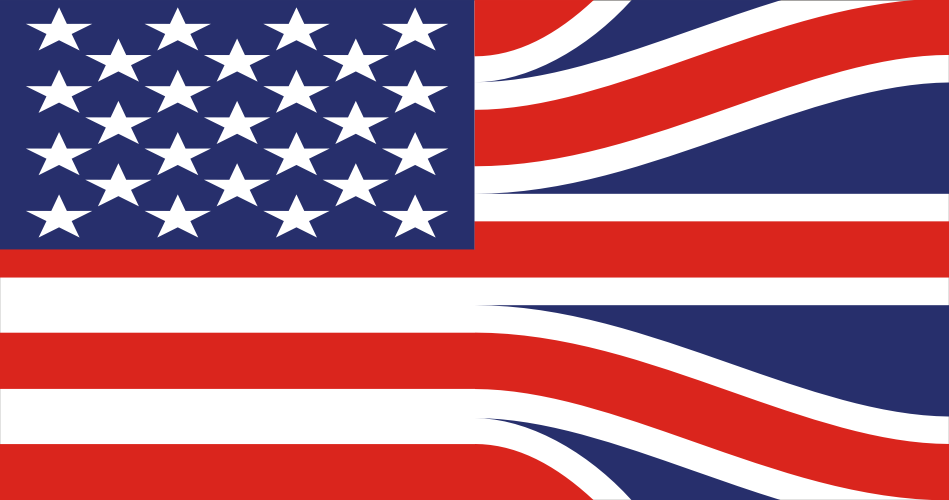
Vocabulary
The most noticeable difference between American and British English is vocabulary. There are hundreds of everyday words that are different. For example, Brits call the front of a car the bonnet, while Americans call it the hood.
Americans go on vacation, while Brits go on holidays, or hols.
New Yorkers live in apartments; Londoners live in flats.
There are far more examples than we can talk about here. Fortunately, most Americans and Brits can usually guess the meaning through the context of a sentence.
Collective nouns
There are a few grammatical differences between the two varieties of English. Let’s start with collective nouns. We use collective nouns to refer to a group of individuals.
In American English, collective nouns are singular. For example, staff refers to a group of employees; band refers to a group of musicians; team refers to a group of athletes. Americans would say, “The band is good.”
But in British English, collective nouns can be singular or plural. You might hear someone from Britain say, “The team are playing tonight” or “The team is playing tonight.”
Auxiliary verbs
Another grammar difference between American and British English relates to auxiliary verbs. Auxiliary verbs, also known as helping verbs, are verbs that help form a grammatical function. They “help” the main verb by adding information about time, modality and voice.
Let’s look at the auxiliary verb shall. Brits sometimes use shall to express the future.
For example, “I shall go home now.” Americans know what shall means, but rarely use it in conversation. It seems very formal. Americans would probably use “I will go home now.”
In question form, a Brit might say, “Shall we go now?” while an American would probably say, “Should we go now?”
When Americans want to express a lack of obligation, they use the helping verb dowith negative not followed by need. “You do not need to come to work today.” Brits drop the helping verb and contract not. “You needn’t come to work today.”
British culture, customs and traditions vary from the weird to the wonderful, from the traditional to the popular, and from the simple to the grand.
The formation of the ideas, celebrations and notions that comprise today’s quintessential British lifestyle started centuries ago, giving importance and meaning to the people’s existence. These customs and traditions stood the test of time, albeit not without some changes to accommodate the modernizing world.

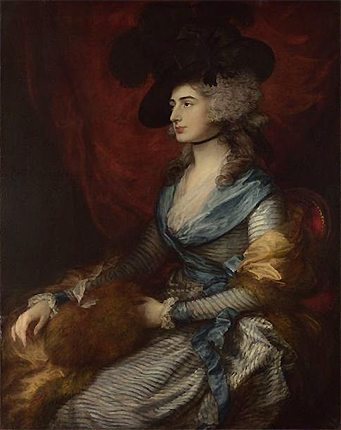
n Inglaterra, la tradición del retrato se había establecido a finales del siglo XVII, pero será en el siglo XVIII cuando la escuela inglesa alcance su más alto nivel. Los más grandes intérpretes del retrato inglés, un género directamente ligado a las estancias en Londres de Holbein y de Van Dyck, son Joshua Reynolds y Thomas Gainsborough. La revolución industrial inglesa de la segunda mitad del siglo XVIII modifica los equilibrios sociales y abre una nueva relación entre las clases burguesas y el arte. Reservado hasta entonces a la aristocracia y al clero, el retrato se pone ahora al alcance de la clase media.
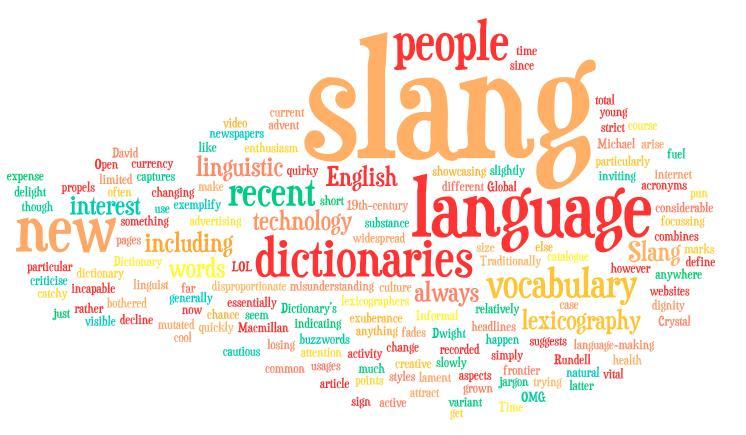
Llevas a tiempo realizando un curso de inglés. Dominas el idioma pero decides perfeccionarlo, por lo que te apuntas a un programa de idiomas en el extranjero. Al cabo de los días escuchas la conversación de dos nativos que viajan junto a ti en el metro y ¡no entiendes nada de lo que dicen! ¿Cómo es posible?
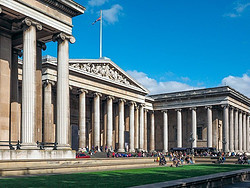

 ENGLAND: ART AND CULTURE